
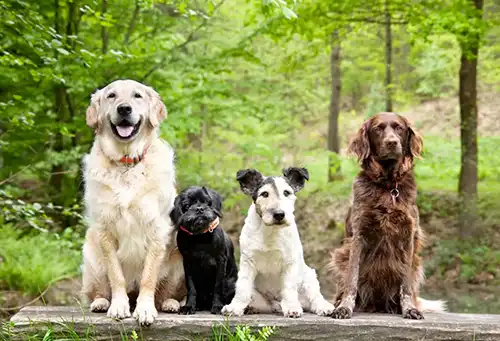


Helping Dogs in Somerset, KY Walk Calmly on Leash
At Animal Care Center of Somerset, our veterinarians often meet families frustrated by dogs that pull on their leashes. Walking a dog in Somerset, KY should be enjoyable, but when your pup drags you down the sidewalk, it’s stressful for both of you. Leash pulling is one of the most common behavioral complaints we hear, and the good news is that with patience, training, and consistency, most dogs can learn to walk politely by your side.
Our veterinarians explain that leash training isn’t just about manners—it’s about safety. Dogs that pull may dart into traffic, injure themselves, or cause their owners to trip. By teaching your canine companion proper leash behavior, you’ll strengthen your bond and make every walk more enjoyable.
Why Dogs Pull on Leashes
Dogs aren’t born knowing how to walk politely. They naturally move faster than humans, and exciting sights and smells lure them forward. Common reasons for pulling include:
- Lack of early training
- High energy and enthusiasm
- Distractions like other dogs, people, or wildlife
- Fear or anxiety in new environments
Understanding why your dog pulls helps you tailor your training approach. Whole Dog Journal has an interesting piece on leash manners here. The AKC has a piece about training Fido to walk on a leash here.
The Importance of Equipment
The right tools make training easier. Options include:
- Standard collars: Fine for many dogs, but not ideal for pullers.
- Harnesses: Front-clip harnesses discourage pulling by redirecting movement.
- Head collars: Provide gentle control for strong dogs, though they require acclimation.
Our veterinarians in Somerset, KY can recommend safe equipment that fits your dog’s size and needs.
Training Techniques to Reduce Pulling
The Stop-and-Go Method
When your pup pulls, stop walking. Wait until the leash slackens, then move forward. This teaches your dog that pulling gets them nowhere.
The Change-of-Direction Technique
If your dog surges ahead, turn and walk the other way. Reward them for following. This builds focus on you rather than the environment.
Rewarding Loose Leash Walking
Carry treats and praise your canine buddy whenever they walk beside you with a slack leash. Positive reinforcement is key.
Heel Training
Teaching a formal “heel” command provides structure. Start indoors or in a quiet yard before practicing in distracting environments.
Impulse Control Games
Practice commands like “sit,” “stay,” or “wait” before opening doors or crossing streets. These exercises teach patience and reduce pulling.
Distraction-Proofing
Gradually introduce more challenging environments—quiet neighborhoods first, then busier parks—so your dog learns to stay focused even around distractions.
Dogs also must be socialized properly, which goes a long way toward teaching good manners and reducing the odds of them lunging at other dogs. Tap here to view our earlier article on socialization.
Step-by-Step Leash Training Plan
- Start Indoors: Practice loose leash walking in a hallway or living room. Reward calm walking.
- Move to the Yard: Add mild distractions while keeping sessions short.
- Quiet Walks: Take your pup to a calm neighborhood street. Reinforce good behavior frequently.
- Increase Distractions: Practice near parks or busier areas, rewarding focus and calmness.
- Maintain Consistency: Make every walk a training opportunity, not just special sessions.
Building Focus and Engagement
Teaching your dog to check in with you helps reduce pulling. Practice eye contact exercises and “watch me” cues during walks. Incorporating obedience commands like “sit” and “heel” strengthens communication and gives your pup something positive to focus on.
Common Mistakes Owners Make
- Using retractable leashes, which encourage pulling and reduce control
- Inconsistent training between family members
- Relying only on punishment, which increases anxiety
- Expecting instant results instead of gradual progress
Consistency and patience matter most. Our veterinarians stress that pulling often worsens before it improves, so persistence is vital.
Exercise and Enrichment
A dog bursting with energy is more likely to pull. Ensure your pup gets adequate playtime and activity before training walks. Mental stimulation, like puzzle toys, nose work, or obedience games, also helps channel energy.
Alternatives to Walking on Tough Days
On rainy days or when outdoor walks are limited, consider indoor enrichment:
- Hide-and-seek games with treats
- Obedience training sessions
- Indoor fetch in safe, clear spaces
- Food puzzles and lick mats
Providing stimulation at home reduces frustration and builds calmness for the next walk.
Case Example: Two Dogs, One Goal
A Somerset family with two young Labrador Retrievers struggled with constant pulling. After switching to front-clip harnesses, practicing short sessions with one dog at a time, and rewarding calm walking, both pups improved dramatically. The family now enjoys relaxed walks together, proof that persistence pays off.
When to Seek Professional Help
Some dogs require more guidance. Our veterinarians in Somerset, KY can recommend trainers or behaviorists if leash pulling persists. Professional support may be especially useful for anxious or reactive dogs who lunge or bark in addition to pulling.
Fun Fact: Dogs and Scent Trails
Did you know a dog’s sense of smell is tens of thousands of times stronger than ours? No wonder they’re so distracted on walks! Training teaches them to enjoy sniffing without dragging you along.
FAQ
Is leash pulling normal?
Yes. Most dogs pull at first. Training and consistency teach better habits.
Can older dogs learn to walk nicely?
Absolutely. While it may take more time, older dogs can benefit from training and patience.
Should I use a retractable leash?
No. Retractable leashes encourage pulling and can be unsafe. A standard leash provides better control.
How long does leash training take?
It varies. Some pups improve in weeks, while others need months of practice.
What’s the difference between loose leash walking and heeling?
Loose leash walking simply means no tension on the leash. Heeling is a more formal position where the dog walks directly at your side.
Should I let my dog sniff during walks?
Yes, in moderation. Sniffing provides mental stimulation. Just teach your pup to walk calmly without pulling.
My dog pulls only around other dogs—what should I do?
This may indicate reactivity or overexcitement. Practice distance work, reward calm behavior, and consult a trainer if needed.
Can certain breeds be harder to train?
High-energy breeds like Huskies or Terriers may require extra patience, but all dogs can improve with consistent training.
Is professional training worth it for leash pulling?
Yes. Trainers can spot mistakes owners might miss and provide tailored strategies. Combining veterinary advice with professional training often leads to faster results.
What if my dog pulls because they’re scared?
Fear-based pulling requires a gentle approach. Avoid forcing your pup forward. Instead, create positive associations and consult your veterinarian or a trainer for support.
Visit Our Somerset, KY Veterinary Clinic for Behavior Support
If you’ve been searching for a “vet near me” to help with leash training, Animal Care Center of Somerset is here for you. Our veterinarians in Somerset, KY provide behavior guidance and referrals to trusted trainers. Call today to schedule a visit at our veterinary clinic and make walks with your canine friend safe and enjoyable.
Click here to visit our Service page, and learn more about our clinic and the animals we treat.
This blog is intended for educational purposes only. Always consult your veterinarian for guidance specific to your dog’s training and health.

!Social Media Icons