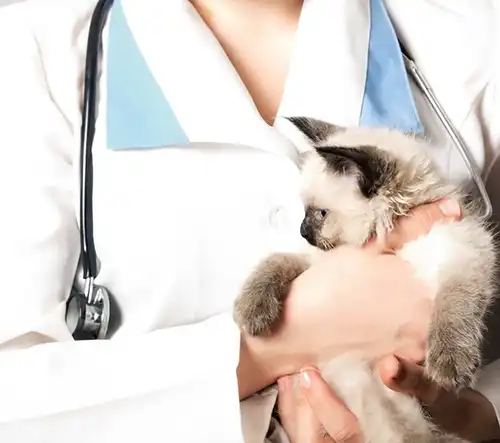



Giving Kittens in Somerset, KY the Best Beginning
Welcoming a new kitten into your family is a joyful experience, but it also comes with responsibility. At Animal Care Center of Somerset, your Somerset, KY pet clinic, we love meeting tiny furballs, and adding them to our patient roster. Kitten nutrition is one of the most critical aspects of raising a healthy feline. Those adorable first months set the stage for strong bones, a sharp mind, and a resilient immune system. Providing the right food and care means your furry bestie will have the foundation they need for a lifetime of good health.
A healthy kitten diet goes far beyond filling a food dish. It’s about understanding what nutrients your kitty needs at each stage of growth and making sure they’re getting the right balance. Feeding kittens Somerset KY owners cherish takes planning, observation, and guidance from a veterinary clinic that understands feline development.
Why Proper Nutrition Is Vital for Kittens
Kittens grow rapidly in their first year. Their caloric needs are higher than those of adult cats, and they require a diet rich in protein and fat to support proper muscle and brain development. Without proper nutrition, kittens may experience stunted growth, weakened immune systems, or long-term health issues.
Our veterinarians often explain that cats are obligate carnivores, meaning they depend on nutrients found primarily in animal proteins. Essential amino acids like taurine are vital for little Fluffy’s heart and eye health. This is why feeding adult cat food or dog food to kittens is not appropriate—those formulas lack the nutrient density kittens need.
Stages of Kitten Feeding
0–4 Weeks: Nursing and Bottle Feeding
During the first month, kittens rely on their mother’s milk for complete nutrition. If orphaned, they must be fed a kitten milk replacer—never cow’s milk, which can cause digestive upset.
4–8 Weeks: Transitioning to Solid Food
At this stage, kittens begin eating soft, wet kitten food. Mixing canned food with formula can ease the transition. Offer small meals several times a day.
2–6 Months: Rapid Growth
Kittens in this stage are bundles of energy. They require frequent meals—sometimes up to four or five per day. Dry food designed for kittens can be introduced along with wet food.
6–12 Months: Maturing Kittens
As your feline companion approaches adulthood, their calorie needs begin to level out. Around their first birthday, most can transition to adult cat food.
Tips for a Healthy Kitten Diet
- Provide both wet and dry food to promote hydration and dental health.
- Ensure fresh, clean water is always available.
- Avoid giving table scraps or excessive treats.
- Stick to feeding schedules to prevent obesity later in life.
We offer tailored advice to help cat owners build the healthiest meal plan possible for their kittens. Ask us for more information.
Common Nutrition Mistakes to Avoid
Even with the best intentions, cat parents sometimes make mistakes that affect their kitty’s growth. Common errors include:
- Feeding adult cat food too soon
- Offering unbalanced homemade diets
- Giving cow’s milk or unsuitable human foods
- Ignoring portion control
Each of these mistakes can create long-term health challenges. Our veterinary clinic works with families to prevent these pitfalls and keep kittens thriving.
Purina has a post on kitten nutrition, which you can find here. PetMD also wrote about kitten nutrition in this piece.
Nutrients Every Kitten Needs
- Protein: Supports muscle and tissue growth.
- Fats: Provide energy and aid brain development.
- Calcium and phosphorus: Strengthen bones and teeth.
- Taurine: Prevents heart and eye disease.
- Omega fatty acids: Support skin and coat health.
High-quality kitten food is formulated to include these nutrients in the right balance. If your pet isn’t getting proper nutrition, one of the first places you’ll see it is in her coat. Her fur may look dry or dull, and she may shed more than she should. Our earlier blog on shedding lays the groundwork—read it here.
FAQ
When should I switch my kitten to adult food?
Most cats can transition around 12 months old, though some large breeds may need to stay on kitten food longer.
Do kittens need supplements?
Not usually. Commercial kitten food provides complete nutrition unless your veterinarian recommends otherwise.
How can I tell if my kitten is eating enough?
Steady weight gain, a shiny coat, and playful energy are good signs. Your veterinarian can track growth during checkups.
Visit Our Somerset, KY Veterinary Clinic for Kitten Care
Searching for a “vet near me” who can help with kitten nutrition? Animal Care Center of Somerset provides expert advice and customized feeding plans for families in Somerset, KY. Call today to schedule a visit at our veterinary clinic and give your furry bestie the nutrition they need for a strong, healthy future.
Click here to visit our Service page, and learn more about our clinic and the animals we treat.
This blog is for educational purposes only. Always consult your veterinarian for medical guidance on your kitten’s diet and health.


!Social Media Icons