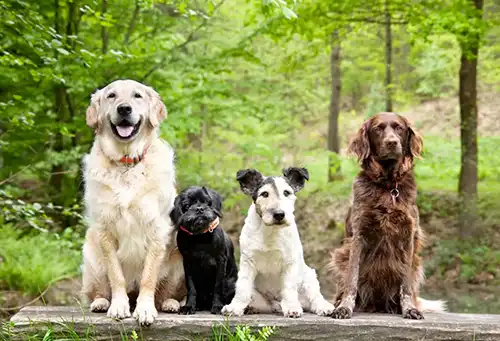


A walk around the block might seem like a simple daily routine, but for your dog, it’s one of the most important parts of their health care and happiness. At Animal Care Center Of Somerset, we see firsthand how regular walks improve canine fitness, reduce stress, and strengthen the bond between pets and their people. A well-planned walk goes beyond bathroom breaks. It provides mental stimulation, physical exercise, and even training opportunities that help shape better behavior at home.
In this blog, we’ll share tips on choosing safe walking routes for dogs, offer leash training strategies, and advice for keeping your pup comfortable in hot weather, so every stroll is safe, fun, and rewarding.
Why Walking Is So Important
Daily walks are a cornerstone of canine wellness. They give your pup a chance to burn off energy, maintain muscle tone, and indulge in their natural instincts to explore. Dogs “see” the world through their noses, so every walk is like catching up on the local news — filled with fresh scents, interesting sounds, and opportunities to socialize.
Regular walks also:
- Help maintain a healthy weight and prevent obesity
- Support joint and muscle health, especially in active or aging dogs
- Reduce boredom-related behaviors like chewing, digging, or barking
- Provide structure and routine, which many dogs find calming
- Facilitate bonding and tail wags
In short, a good walk isn’t just exercise — it’s one of the best ways to support your dog’s overall well-being. Rover-Time has an article on walking Fido. Click here to read it. The American Veterinary Medical Association also has a post on taking your canine pal for a stroll here.
Safe Walking Routes for Dogs
Where you walk is just as important as how you walk. McCreary County, Kentucky and surrounding areas offers beautiful dog-friendly trails, parks, and neighborhoods, but safety should always come first.
Tips for choosing routes:
- Avoid areas with heavy traffic or loud construction, which can overwhelm or frighten some dogs.
- Stick to shaded paths, especially in warmer months, to protect against heat stress.
- Use sidewalks and well-maintained trails to prevent paw injuries.
- Opt for quieter routes if your pup is nervous around strangers, loud noises, or other animals.
Many communities have designated dog-friendly parks and scenic waterfront trails that allow your pup to enjoy fresh air without added stressors. Ask our team for recommendations on safe, dog-approved locations near you.
Leash Training Tips
Leash skills make every walk safer and more enjoyable. A dog that pulls constantly can injure themselves or their owner, while poor leash manners may limit your ability to walk in certain environments. Fortunately, leash training can be fun and rewarding.
Leash training basics include:
- Positive reinforcement: Reward calm walking by your side with treats and praise.
- Short but loose leash: Keep the leash short enough for control, but avoid tension that encourages pulling.
- Stop-and-go method: If your dog pulls, stop immediately. Only resume walking once they return to your side.
Some dogs benefit from head halters or front-clip harnesses to reduce pulling. If leash manners are a challenge, our veterinarians can recommend local trainers and safe tools that make walking a more positive experience.
Is your pup trying to haul you? Click here for our blog on leash pulling.
Walking Dogs in Hot Weather
Kentucky is known for its microclimates — it might be cool by the coast and sweltering inland. Regardless of where you walk, summer heat can quickly affect your dog.
Hot weather safety tips:
- Check the pavement: Place your hand on the sidewalk for five seconds. If it’s too hot for you, it’s too hot for dogs’ paws.
- Adjust timing: Walk your pup early in the morning or later in the evening when temperatures are cooler.
- Hydrate often: Bring water and a collapsible bowl for your pup.
- Take shade breaks: Rest under trees or covered areas if your dog pants heavily.
Watch for signs of heat stress such as drooling, lethargy, or rapid breathing. Heatstroke is an emergency — if you know or suspect that your canine pal is overheating, give Fido some lukewarm water and then head to a veterinarian immediately.
Extra Safety Tips
Beyond route planning and leash skills, a few additional precautions can make every walk safer:
- ID and microchip: Make sure your dog’s tags are current. We strongly recommend microchipping for added security.
- Reflective gear: Use reflective collars, leashes, or harnesses for evening walks.
- Hazard awareness: Scan for broken glass, toxic plants, or discarded food that could harm your pup.
- Seasonal awareness: Rainy walks may mean slippery sidewalks, while windy days could startle nervous pups.
You’ll also want to take extra care with puppies and seniors. Click here for our blog on keeping an older dog fit.
Fun Dog Walking Fact
Dogs don’t just stretch their legs on walks — they stretch their brains. The act of sniffing stimulates their nervous system, releases feel-good hormones, and provides mental enrichment equivalent to a workout. For many dogs, a “sniffari” walk, where they’re allowed extra time to explore scents, is just as valuable as a brisk jog.
FAQs About Dog Walking
How long should I walk my dog?
Most dogs benefit from 30–60 minutes per day, though needs vary by age, breed, and health. High-energy breeds may need much more. Ask your vet for advice.
Can I let my dog off-leash?
Only in secure, designated off-leash areas. Off-leash freedom in public spaces can be risky, even for well-trained dogs.
Is it okay to walk my dog after meals?
Wait at least 30 minutes after eating to reduce the risk of bloat, especially in large and deep-chested breeds.
Do puppies need the same amount of walking as adult dogs?
No. Puppies require shorter, more frequent walks to avoid joint strain, and their exercise should be tailored to their growth stage.
What about senior dogs?
Older dogs still benefit from daily walks but may need gentler, shorter outings. Consistency is more important than distance.
Visit Our McCreary County, Kentucky and surrounding areas Veterinary Clinic for Pet Wellness
Daily walks are one of the most powerful tools for keeping your dog healthy, happy, and well-behaved. Are you searching for a trusted “vet near me” in the McCreary County, Kentucky and surrounding areas? You found us! We’re also happy to offer advice that can help with leash training, exercise planning, or general wellness. We can guide you with expert advice and personalized care for every stage of your dog’s life.
Call us today to schedule an appointment and give your pup the gift of safer, healthier walks. Visit our Service page here for more information about our McCreary County, Kentucky and surrounding areas animal clinic and the pets we treat.
Click here to visit our Service page, and learn more about our clinic and the animals we treat.
This blog is meant for informational purposes only. Always consult with your veterinarian for advice tailored to your pet’s specific needs.
!Social Media Icons