


Protecting Feline Health in McCreary County, KY
At Animal Care Center of Somerset, our veterinarians often see older cats with subtle but serious health changes. In McCreary County, Kentucky, chronic kidney disease (CKD) is one of the most common conditions affecting senior cats. Early detection makes a big difference. By recognizing the signs and seeking veterinary care promptly, families can extend their kitty’s comfort and quality of life.
Kidney disease in cats develops gradually. The kidneys lose their ability to filter waste effectively, causing toxins to build up in the bloodstream. While the condition cannot be cured, early intervention can slow progression. Our veterinarians emphasize that paying attention to subtle shifts—such as increased thirst or weight loss—helps catch CKD before it becomes advanced.
What Is Chronic Kidney Disease?
The kidneys filter waste products from the blood, regulate fluid balance, and support overall body function. In CKD, these organs slowly lose efficiency. This is especially common in senior cats, though younger felines can also be affected. Over time, waste products accumulate, leading to illness.
Find out more about kitty kidney disease on the PetMD site here. Chewy also has a piece on kitty kidney disease here.
Early Signs of CKD in Cats
Pet parents should watch for:
- Increased thirst and urination
- Weight loss despite a normal appetite
- Decreased appetite as disease progresses
- Vomiting or nausea
- Dull or unkempt coat
- Lethargy or decreased activity
These symptoms often appear gradually. Cats are masters at hiding illness, so subtle changes matter.
Diagnosing Kidney Disease
At our veterinary clinic in McCreary County, diagnosis involves:
- Physical exam to check hydration and body condition
- Blood tests measuring kidney values (BUN, creatinine, SDMA)
- Urinalysis to assess concentration and detect protein loss
- Blood pressure measurement, since hypertension often accompanies CKD
These tests help stage the disease and guide treatment.
Treatment Options for CKD
While CKD cannot be cured, management improves quality of life. Strategies include:
- Prescription kidney-friendly diets with controlled protein and phosphorus
- Medications to manage nausea, blood pressure, or anemia
- Subcutaneous fluids to maintain hydration
- Supplements to support kidney function
Our veterinarians in McCreary County design individualized care plans based on each cat’s stage of disease.
At-Home Care for Cats with CKD
Pet parents play an important role in managing CKD:
- Ensure fresh water is always available
- Feed veterinary-recommended kidney diets
- Monitor appetite and weight regularly
- Give medications or fluids as prescribed
- Keep follow-up appointments for lab testing
With attentive care, many cats live happily for years after diagnosis.
Risk Factors for Kidney Disease
- Age: CKD is most common in senior cats
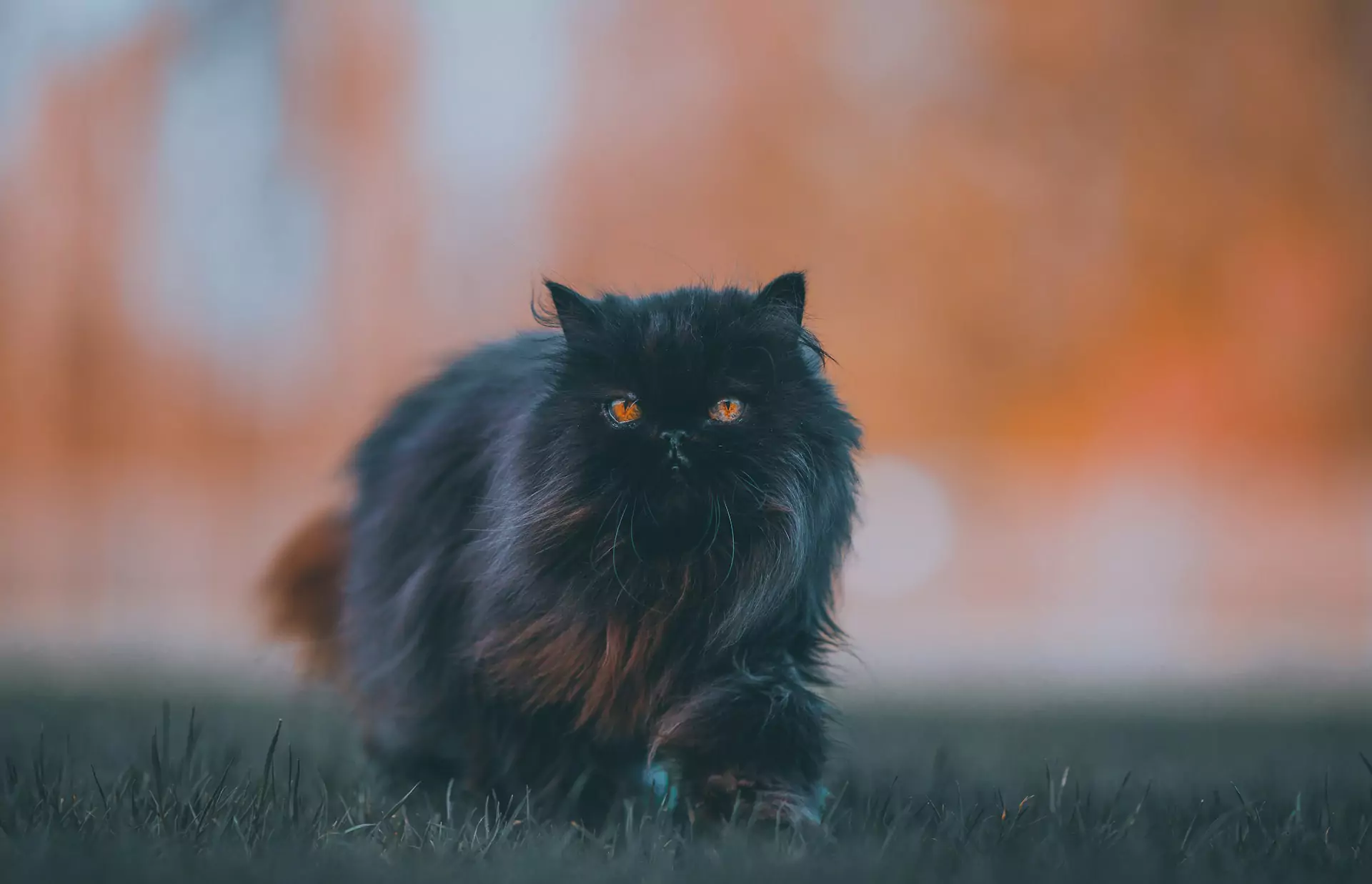
- Genetics: Some breeds, such as Persians, are predisposed
- Dental disease and infections can contribute to kidney stress
- Exposure to toxins like lilies, antifreeze, or certain medications
Avoiding toxins and scheduling regular dental care may reduce risk.
Preventing CKD Progression
While kidney disease isn’t always preventable, families can help slow it:
- Schedule annual or semiannual wellness exams for senior cats
- Provide clean water and encourage hydration with fountains
- Maintain a balanced diet and healthy body weight. Our previous take on feline obesity is just a click away—check it out here.
- Address urinary tract infections promptly
Emotional Impact on Families
A diagnosis of CKD can feel overwhelming, but our veterinarians reassure families that cats often adapt well to treatment. Many continue to enjoy cuddles, playtime, and daily routines with the right support.
Fun Fact: Cats and Water Preferences
Did you know many cats prefer running water to still bowls? Pet fountains not only encourage hydration but also support kidney health by keeping cats drinking more often.
FAQ
How common is kidney disease in cats?
It’s one of the most common conditions in older cats. Studies suggest more than 1 in 3 cats over age 10 are affected.
Can kidney disease be cured?
No, but treatment can slow progression and maintain quality of life.
How long can cats live with CKD?
With early diagnosis and proper care, many cats live several years after diagnosis.
Is dehydration a big concern?
Yes. Cats with CKD lose more water through urine and need support staying hydrated.
Should I change my cat’s diet right away?
Always consult your veterinarian before switching diets. Prescription kidney diets are specially formulated and beneficial.
Visit Our McCreary County, KY Veterinary Clinic for Cat Kidney Care
If you’ve been searching for a “vet near me” to help your cat stay healthy, Animal Care Center of Somerset provides compassionate care for families in McCreary County, Kentucky. Our veterinarians diagnose and manage chronic kidney disease with tailored treatment plans that support comfort and longevity. Call today to schedule your kitty’s wellness exam at our veterinary clinic.
Click here to visit our Service page, and learn more about our clinic and the animals we treat.
This blog is for informational purposes only. Always consult your veterinarian for medical advice specific to your cat.

!Social Media Icons